

The FDA regulates all food additives, breaking them into three categories:
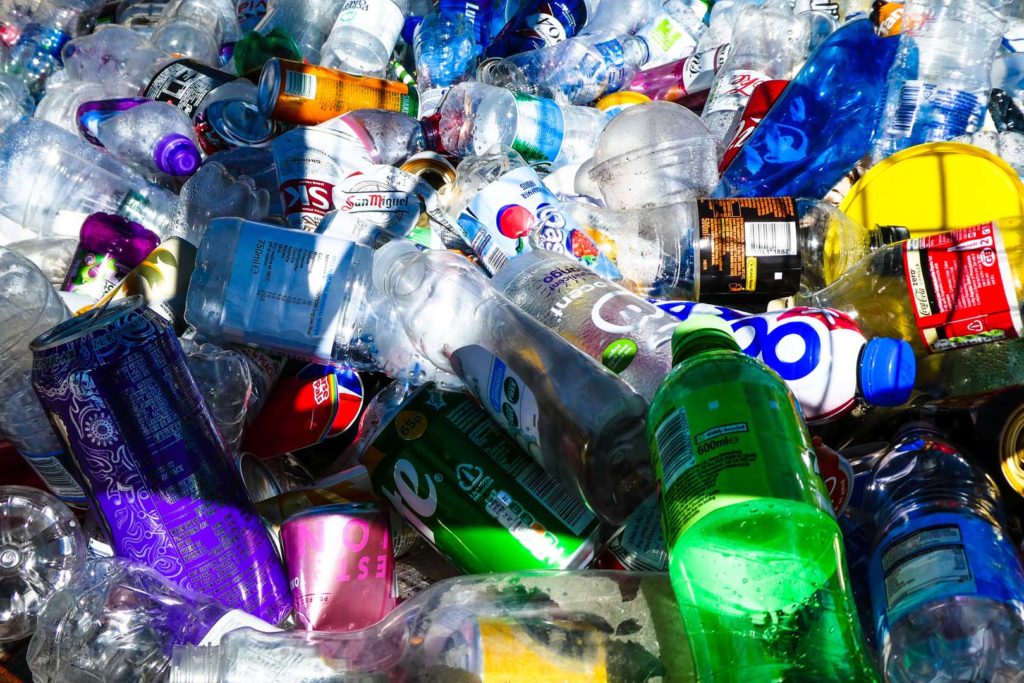
- “Indirect Food Additives” include packaging materials such as paper, plastic, cardboard, and glue that come into contact with foods.
- “Direct Food Additives” include preservatives, nutritional supplements, flavors, and texturizers that are added to food.
- “Color Additives” are used to alter color.
The human mind is tricked because most of a food’s flavor appeal to the human brain actually comes from its smell. Most processed foods rely on these additives to restore flavor that is lost in processing or they create new flavors altogether. McDonald’s, for example, adds “chicken flavor” to its Chicken McNuggets.
Preservatives
Preservatives generally fall into one of three categories:
- Those used to prevent bacterial or fungal growth.
- Those that prevent oxidation (which can lead to discoloration or rancidity).
- And those that inhibit natural ripening of fruits and vegetables.
Some common preservatives in wide use are propionic acid, which prevents mold in bread; nitrates and nitrites, which prevent discoloration in meat; and benzoates (most commonly sodium benzoate), which are used primarily in acidic foods to prevent bacterial growth.

Flavorings
In fact, due to impurities that result from some production processes, natural flavors can actually be more hazardous than corresponding artificial ones. Food manufacturers often use natural flavors simply because the term “natural” is appealing to consumers.
Common flavor additives such as sweeteners, fruit flavors, and butter or cheese flavors are found in both natural and artificial forms. The difference between the two depends on the source of the flavor and way it was derived. Natural flavors are often produced using just as much chemical manipulation as that used to create artificial flavors, and in some cases there is no real difference between a natural flavor and its artificial equivalent.
Food flavoring is a huge business, which in 2002 was found to produce about $1.4 billion in annual sales. Although some flavorings are undoubtedly safe and useful, many are used to transform low-quality ingredients into something considered palatable.
Some food and color additives have induced allergic reactions, while others have been linked to cancer, asthma, and birth defects.
© Copyright – Hector Sectzer